A behind-the-scenes look at what happens when we shoot at the ocean together, and why it feels less like a photo session and more like a morning with a friend.
For me and the surfers I know, surfing was never really about standing up on a wave.
Anyone who’s spent time in the water knows the wave is maybe ten percent of it. The rest is the drive out in the dark, so much paddling, conversation between sets, and the way we feel afterward. It’s an entire way of life, and it brings people a huge amount of joy.
That joy is what I am actually looking to photograph. I treat a surf photo shoot less like a portrait session and more like telling the story of an incredible experience, one that we want to relive over and over.
Why I shoot surf the way I do
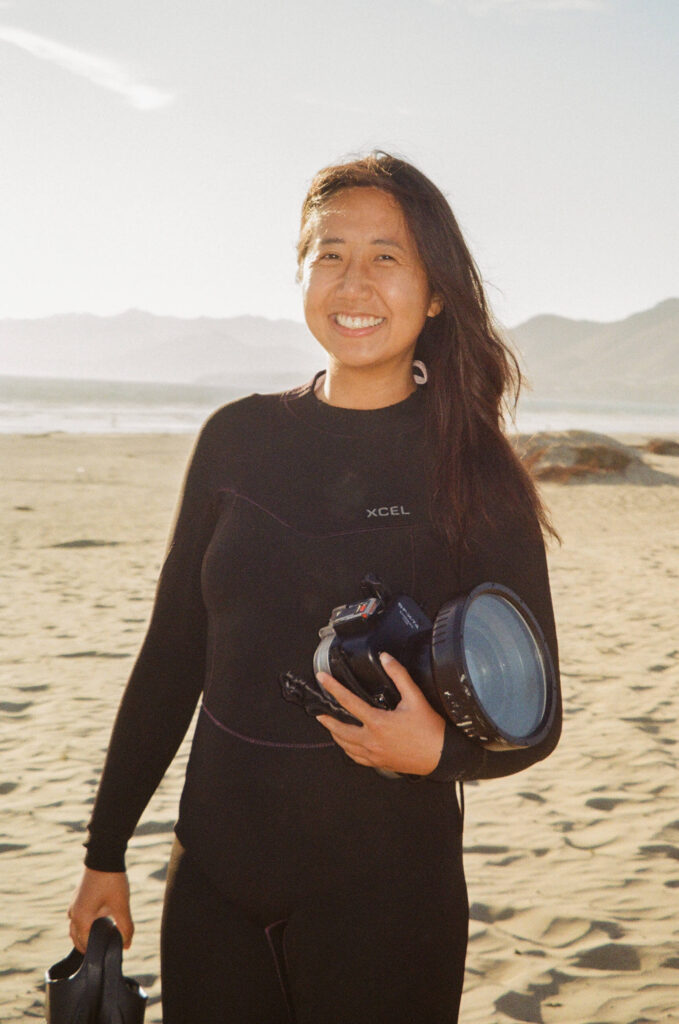
Two things shape how I work. First, I’m a surfer myself, and I moved cross-country from the East Coast for it. I’m so hooked that I get in the water for dawn patrol before a full day operating as a surgeon. When I’m shooting you, I know exactly what that drop feels like, and I’ll be cheering you on the whole time.
Second, I shot only on film for two years before digital. When you only have 36 frames, every shot has to earn its place. Shooting film taught me to be intentional before hitting a shutter and to think of how one roll would form a story.
Every shoot is a story in three parts
I break each shoot into the overall three acts. This is a framework of how I get a full range of photos to form a cohesive story. It also leaves space for the candid moments, which have ended up becoming some of my favorite images.
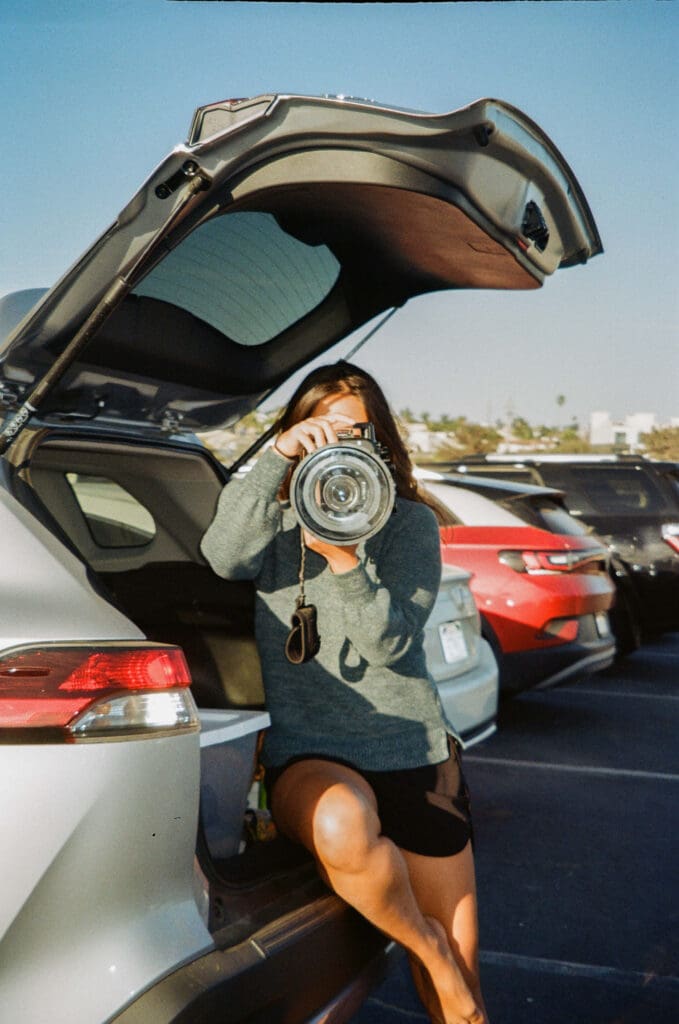
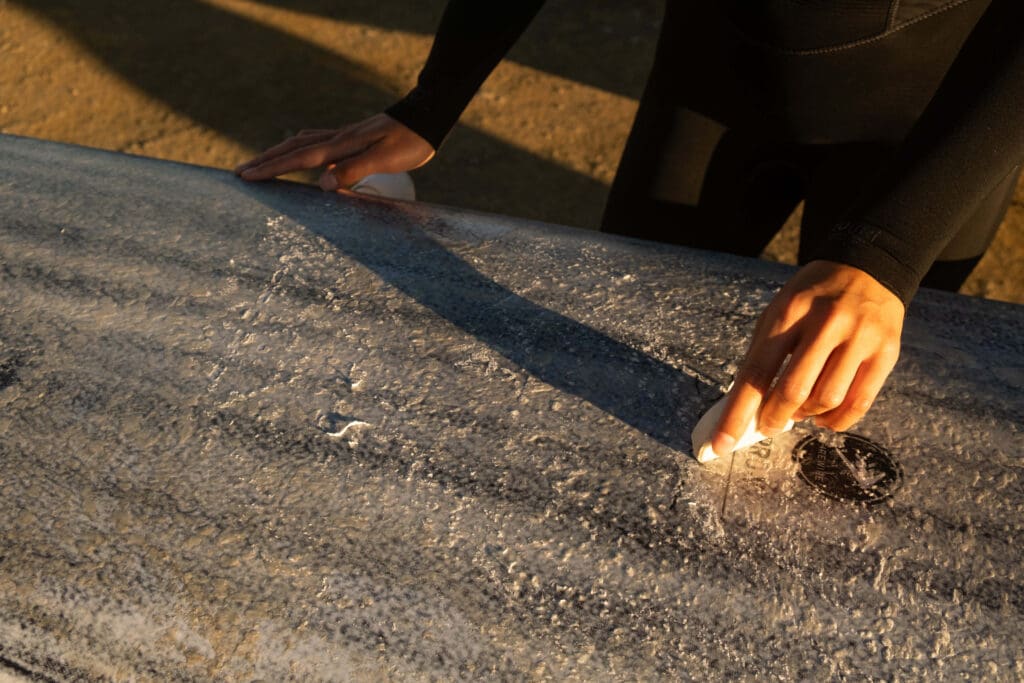
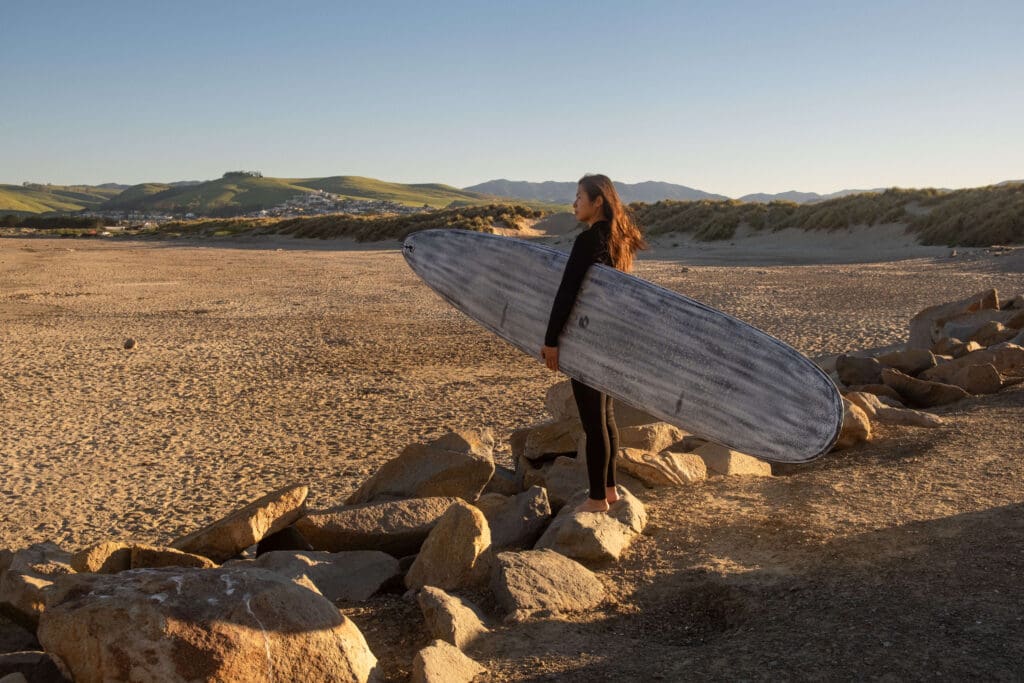
1. The buildup. Everything before a paddle out, and where a lot of anticipation lives. I love that there’s so much imagery here before even getting in the water. I start at the car with waxing the boards and doing a wave check. We then move to the beach and I keep a running list of poses and prompts in my head — board overhead, hands and details up close, portraits under a longboard, then wide to put you in the entire landscape. But the prompts are really just scaffolding, and the shots I love most usually show up between them, when people are laughing or adjusting.
Timing does half the job. I check the forecast ahead. While we can work in almost any light, if conditions are good I’ll suggest early morning: soft, even light gives people natural skin tones and glassy water. This shows up beautifully in photos.
2. The action. I put on fins and get in the water with you. I’ll swim out back with my water housing, which is heavier than anyone thinks! I learned in-water photography from California beach breaks in a variety of conditions — glassy, choppy, windy. I typically start with people sitting on their boards, then swim toward the beach to capture you riding waves.
The vibe is also a part of the shoot, and it comes through in photographs. There is no place I’d rather be than in the water. When I first moved to California, I met some of my now-closest friends just through introducing myself in the back line. One of my absolute favorite things is celebrating people as they’re coming down the line, both when I surf and photograph.
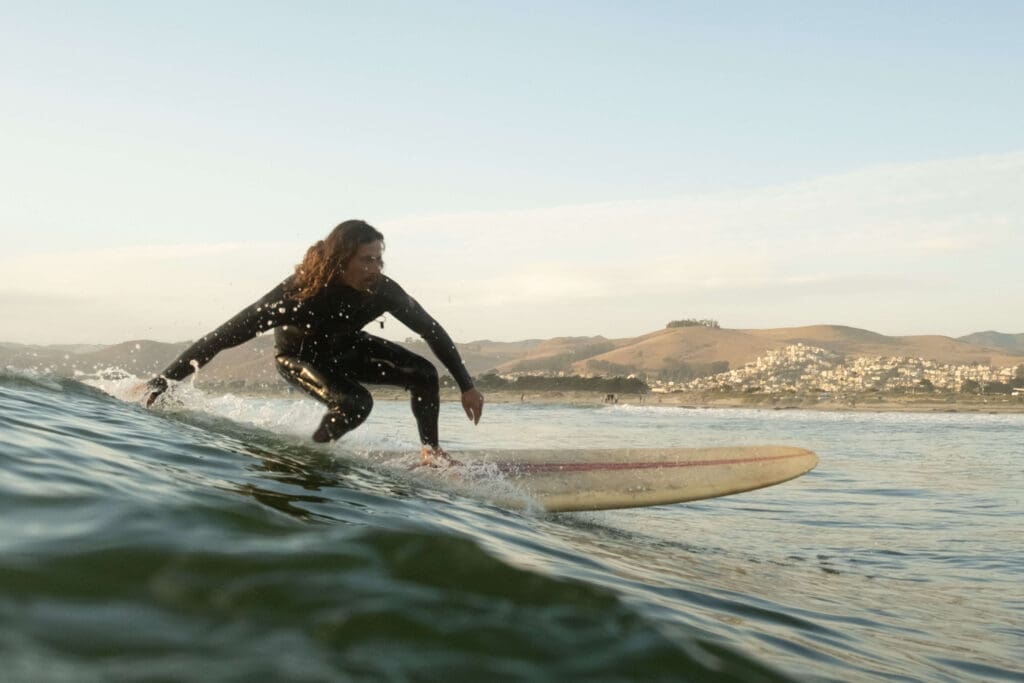
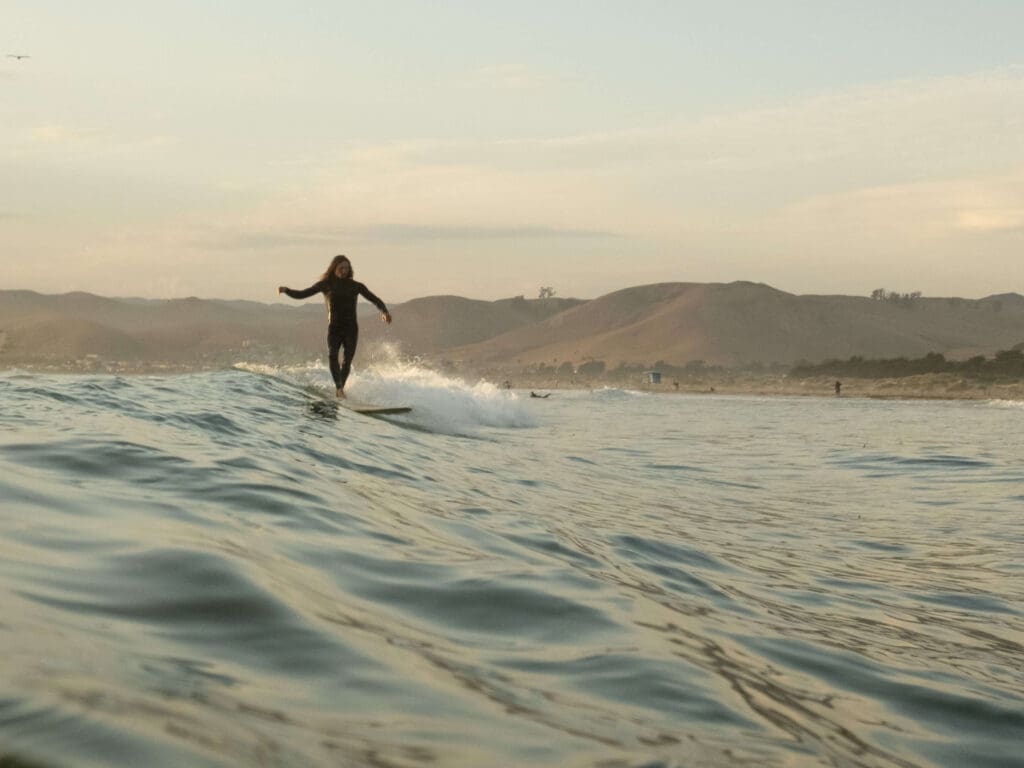
3. The aftermath. This is a wind-down after being in the water. Often I’m photographing people sitting together, debriefing on the beach, and being in the wider landscape. An evening session usually ends with golden hour or blue light. Many people by this point after surfing have post-session happiness!
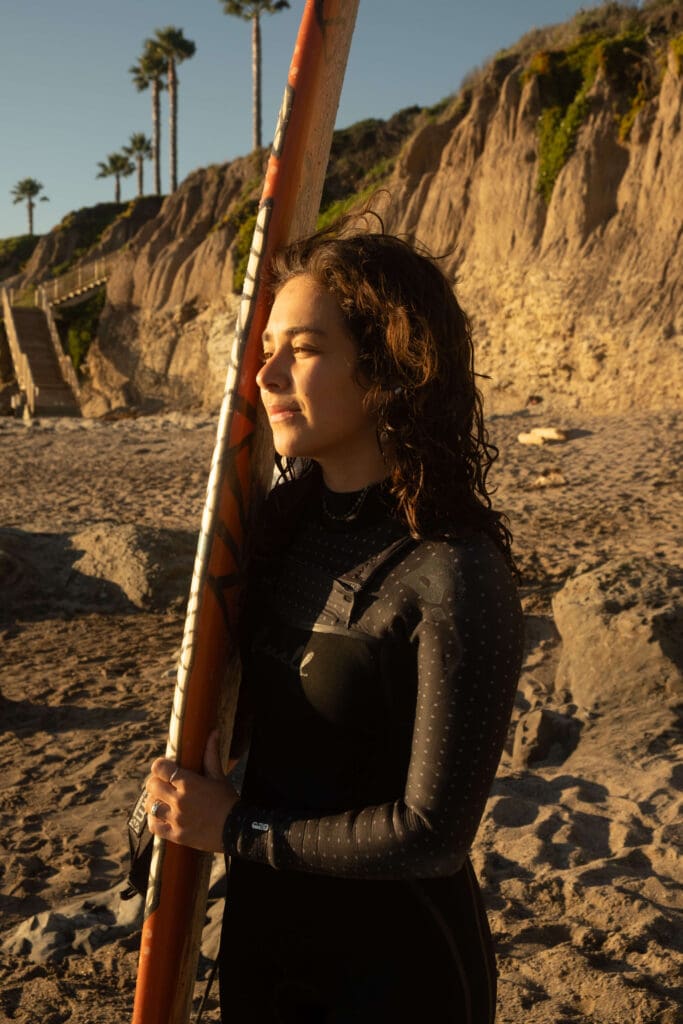
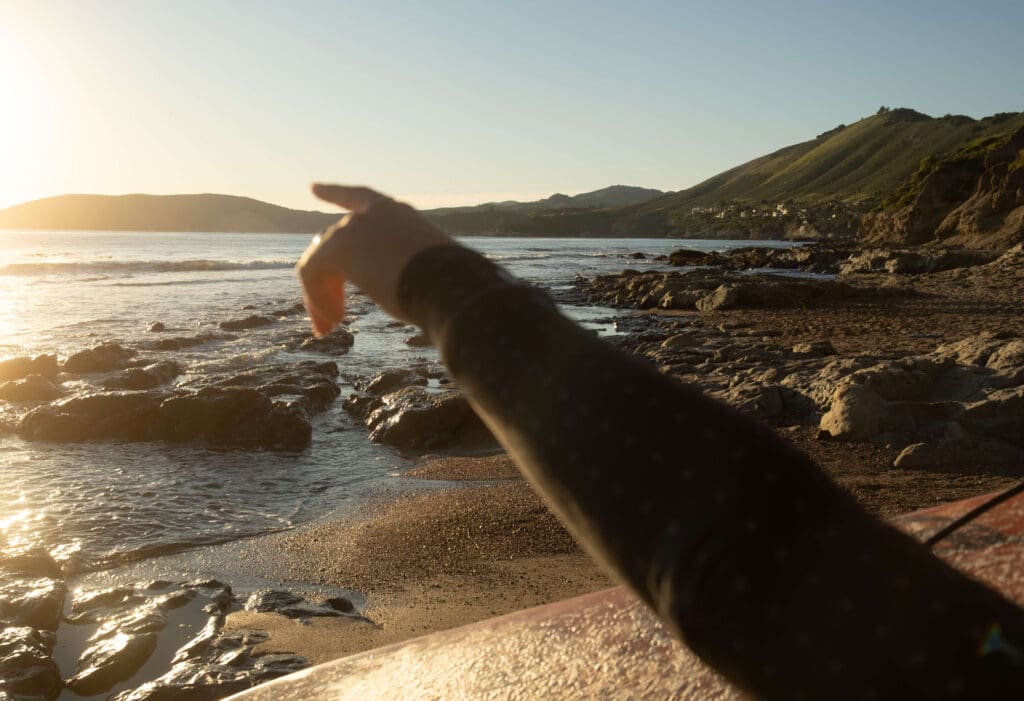
If you’ve read this far, you probably already feel the pull — a session to mark a milestone, a brand, or just capturing the way the ocean makes you feel. I love telling people’s stories in the water. Reach out to book a shoot, and we’ll find the right time to make it happen. See you out there!